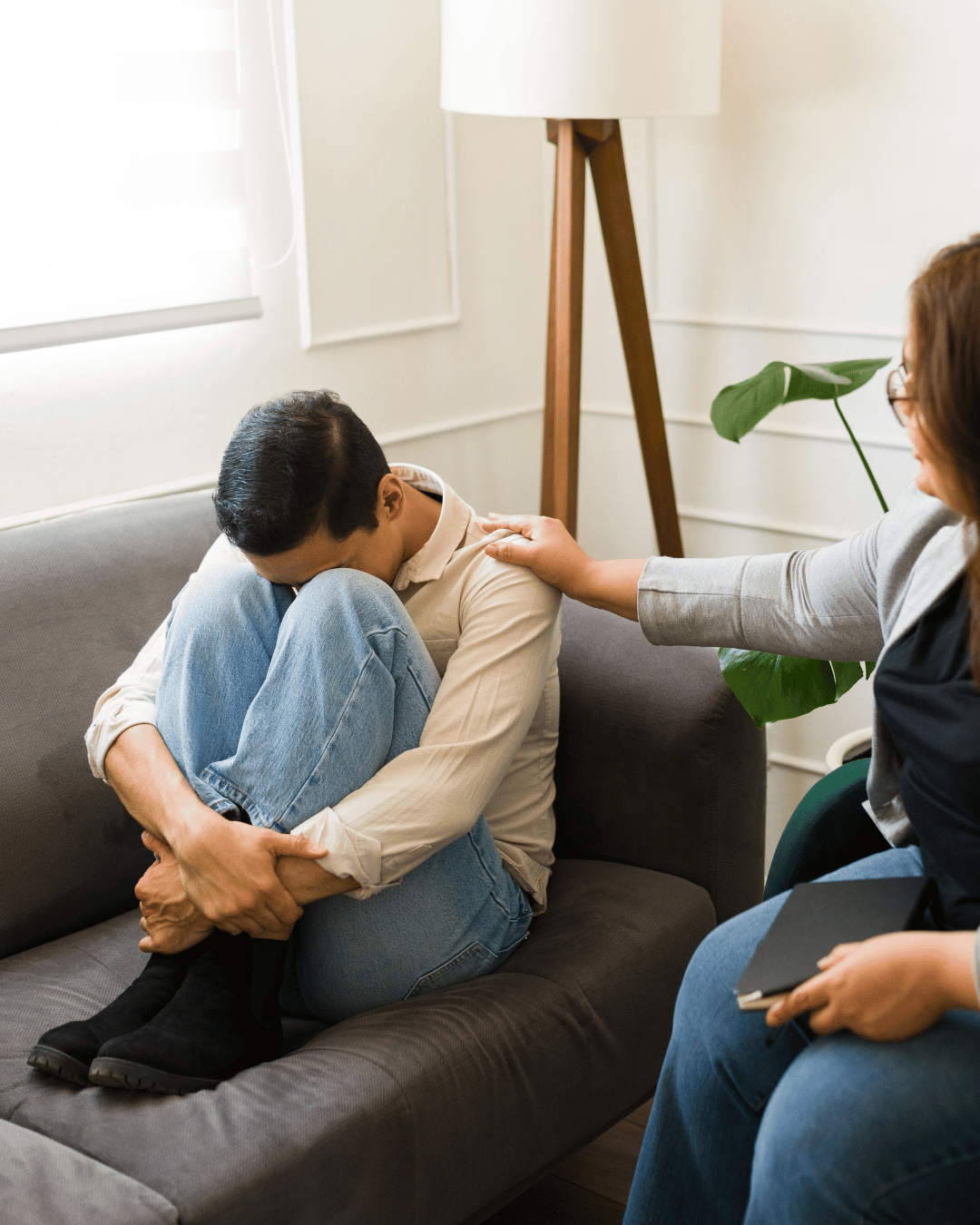
Working one on one with a medical professional has several positive benefits to the patient. In the beginning it can be especially helpful due to the confidentiality and ability to open up. Oftentimes individual therapy is a prerequisite for group therapy. Therapists work on trauma control, self esteem, and family dynamics in these sessions.


Group therapy brings patients together and begins to build a sense of community. Speaking in a group setting allows patients to understand they aren’t alone by hearing relatable stories and experiences from others. These sessions are held several times a week in an Intensive Outpatient Program. Some programs hold these sessions daily as they are very effective. Studies have shown that group therapy can be as effective as individual therapy. Relapse prevention, nutrition counseling, social skills training, and expressive therapy are a few of the topics covered in these sessions.
Family therapy helps patients rebuild their relationships with relatives, friends, and partners. Therapists will oftentimes recommend family or marital counseling if the patient is in a relationship. Family Therapy in Intensive Outpatient Programs often help families to understand how to support their loved ones while also taking care of themselves.


12 Step Therapy is effective in building discipline, confidence, vulnerability, honesty, and patience. The 12 steps of the Big Book have helped millions of people find peace in recovery and maintain their sobriety. Alcoholics Anonymous and Narcotics Anonymous meetings are often held on site for patients to participate in. Therapists often recommend acquiring a sponsor to diligently work the 12 steps for the patient's benefit. Most Intensive Outpatient Programs assist patients in finding a sponsor.
Therapy Sessions in an Intensive Outpatient Program aim to help patients understand how to prevent relapse. Therapists work on what triggers the patient, self awareness to understand how to avoid those triggers, and guidance on how environments play a big role in recovery. Relapse is a process not an event. Intensive Outpatient Programs coach patients on how to identify the steps and identify situations that put a person at greater risk of relapse.
.png)
Whether you're just starting out or seeking to strengthen your commitment.
Take your first step today..png)
© 2024 The Hendrickson House of Sobriety. All Rights Reserved.


.png)