.png)
Mental health disorders and substance use issues affect millions in the U.S. According to the Substance Abuse and Mental Health Services Administration (SAMHSA), over 20 million Americans faced substance use issues in 2021 alone. For many, an Intensive Outpatient Program (IOP) is a crucial step in their recovery journey.

An IOP provides structured treatment while allowing individuals to live at home. It is a solid option for those needing support without round-the-clock care. Unlike inpatient programs, which require full admission to a treatment facility, or partial hospitalization where patients receive treatment during the day, an IOP balances flexibility and support.
An IOP typically meets several times a week.
● Frequency: Most IOPs have sessions 3-5 days a week.
● Duration: Each session lasts around 3-5 hours.
● Length: Programs often run between 4-12 weeks.
For example, a common schedule might include:
● Monday, Wednesday, and Friday: 9 AM - 12 PM
● Therapy sessions and educational workshops included
IOPs incorporate various therapeutic techniques.
● Cognitive Behavioral Therapy (CBT)
● Dialectical Behavior Therapy (DBT)
● Group and Individual Therapy
Dr. Jane Smith, a licensed therapist, says, “Combining these therapies in an IOP can significantly improve outcomes. Patients learn essential skills while receiving support from others facing similar challenges.”
A multidisciplinary team supports participants, including:
● Therapists: Lead individual and group sessions.
● Psychiatrists: Manage medications and assess mental health.
● Case Managers: Help with logistics and connecting to resources.
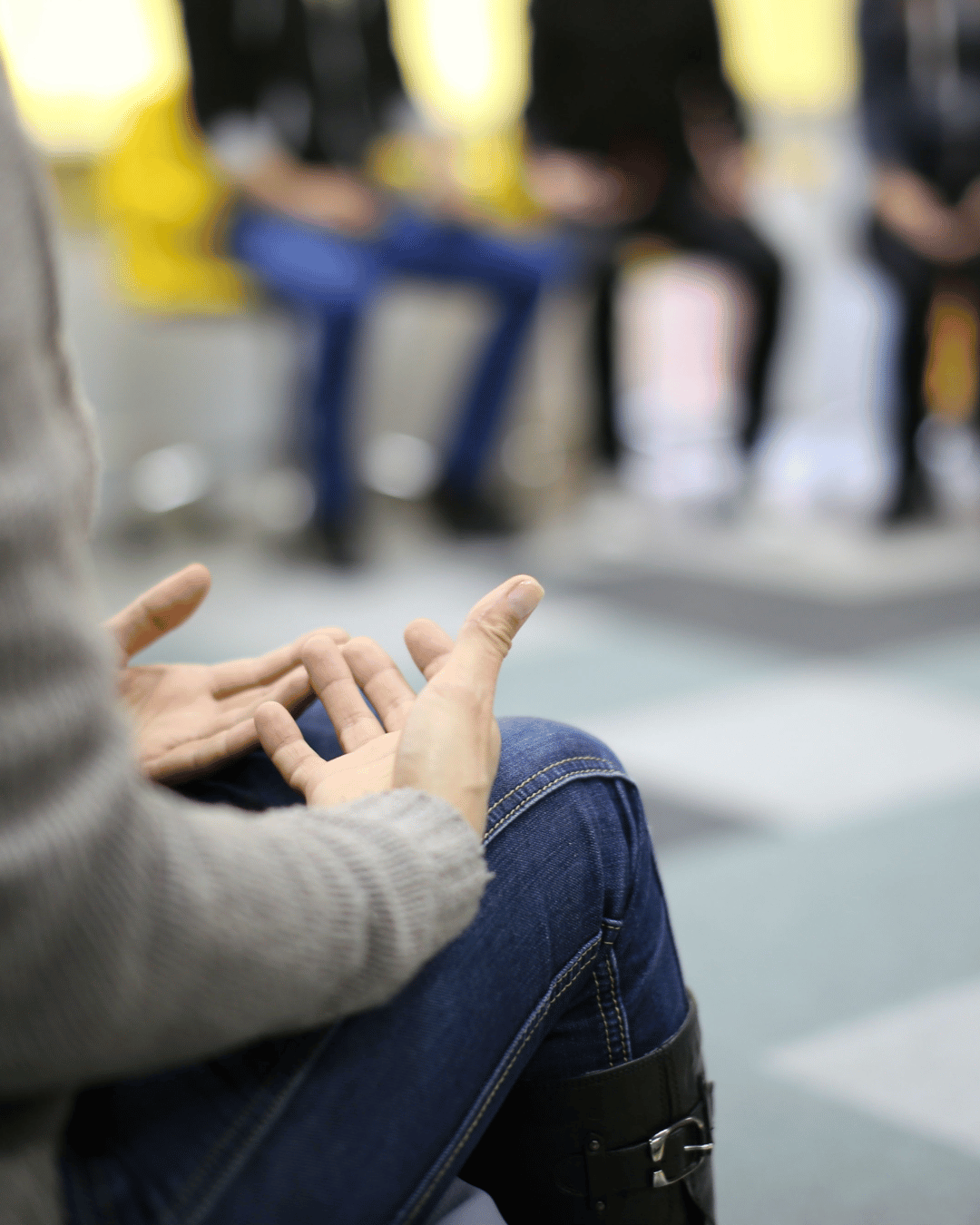
Group therapy is a key element of IOPs.
● Dynamics: Participants share experiences, learn from each other, and build a sense of community.
● Benefits: It fosters connection and reduces feelings of isolation.
● Challenges: Some may feel uncomfortable sharing their thoughts initially.
For instance, a successful group experience might involve sharing personal stories that resonate with others, fostering empathy and understanding.

Individual sessions focus on personal issues and goals.
● Purpose: These sessions create a tailored approach to address specific needs.
● Statistics: Studies show that individuals who engage in both group and individual therapy report up to a 70% success rate in achieving their recovery goals.
.png)
Additional activities in an IOP may include:
● Educational Workshops: Topics on coping strategies and mental health education.
● Relapse Prevention Planning: Preparing for future challenges.
© 2024 The Hendrickson House of Sobriety. All Rights Reserved.


